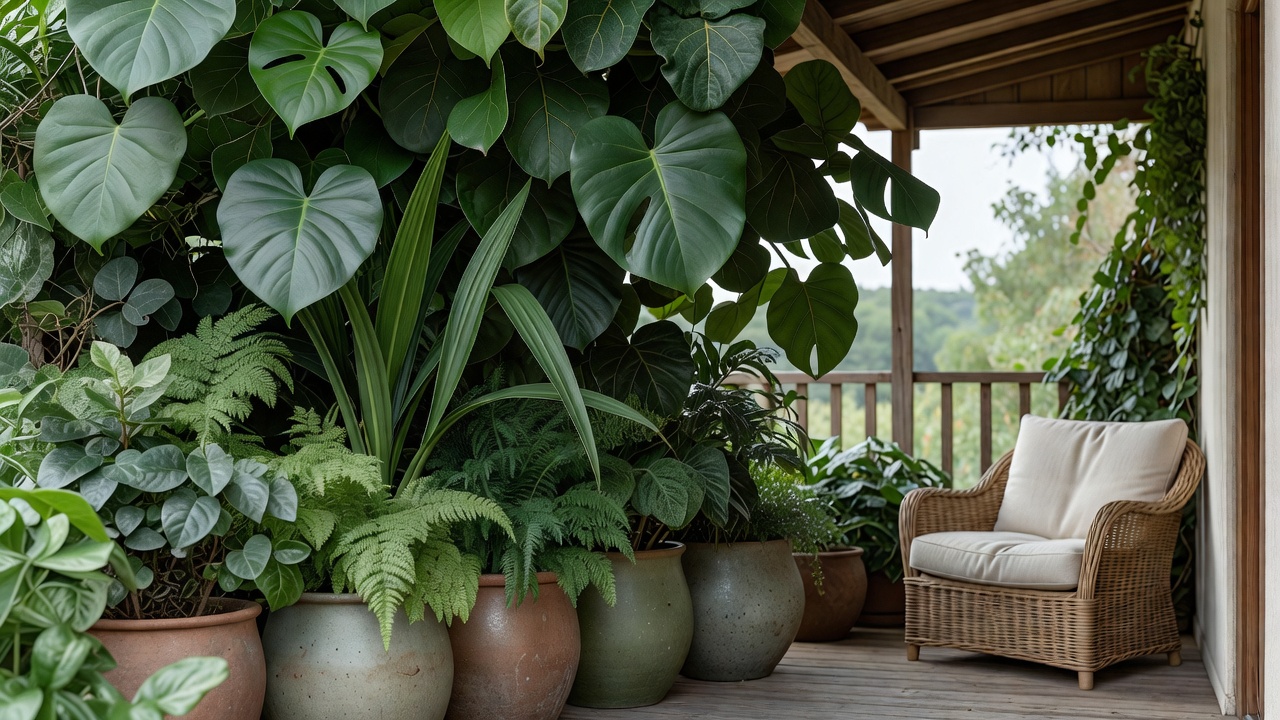
Plants change the atmosphere of a balcony before they change its appearance. A leaf moving beside your chair draws attention away from a busy street; a fragrant herb can make a short evening pause feel intentional. Yet plants also bring weight, water and work. A good planting plan begins with what the balcony can support and what you can maintain, not with the fullest photograph you can find.
Read your balcony’s small climate
Observe direct sunlight at several points through the day and repeat the exercise as seasons change. A compass direction alone does not describe your exposure: neighboring towers, overhangs and reflective glazing can alter both light and heat. Record where rain actually reaches, where gusts funnel between walls and where the floor remains wet. A covered balcony may still be windy, and a bright one may receive little direct sun.
Think about the coldest conditions as well as the warmest. Singapore, Bangkok and Kuala Lumpur offer very different outdoor growing conditions from Seoul, Sapporo or a cool coastal apartment elsewhere. Even within one city, an exposed upper floor is not equivalent to a sheltered courtyard. Ask a reputable local nursery about your specific conditions and verify the botanical name before buying.
Choose a climate route
Warm, humid conditions with filtered light
Rhapis excelsa and Asplenium nidus may be candidates in suitable frost-free, sheltered conditions. Both still need appropriate drainage and species-specific care. Check mature size, heat, wind and local suitability rather than treating this as a universal shopping list.
Strong sun, drying wind or reflected heat
Start with locally proven sun- and wind-tolerant species. Rosemary, Salvia rosmarinus, can suit some sunny, well-drained conditions, but persistent humidity or cold wet roots can cause problems. Large delicate tropical leaves may tear or scorch.
Cold winters or seasonal growing
Use locally hardy container plants or plan a genuinely workable indoor winter location. Container roots are more exposed than roots in the ground. A plant’s landscape hardiness rating does not guarantee survival in a small raised pot.
These are starting points for a conversation, not prescriptions. Check toxicity with a veterinarian or a reliable regional poison-information resource when children or animals may touch or chew plants. Avoid unidentified ornamentals, and do not assume that a plant is edible because it is sold near herbs. Screen proposed species for invasive status under local rules.
Build depth without building a wall
Use one main foliage shape, a smaller companion and a low accent if the footprint permits. The layers can come from different leaf sizes rather than a ladder of tall stands. Place the main plant where you can see it from the seat without blocking your movement or the door. Leave air around foliage so you can inspect stems and reach the potting mix.
Singapore Botanic Gardens and the National Parks Board’s gardening resources can help develop an eye for plant form and care, but a residential balcony is not a miniature public garden. Borrow the relationship between broad and fine foliage, then reduce the number of species and the mature size. A repeated plant in two appropriate containers often feels calmer than six unrelated specimens with six watering requirements.
Design the watering routine first
Choose containers with suitable drainage and an outdoor potting medium appropriate to the species. Decorative outer pots can hide standing water, so make inspection easy. Water according to the plant and the condition of the medium rather than a rigid calendar. Empty collected water promptly where required, particularly in mosquito-prone places, and avoid allowing runoff to drip onto neighbors or public areas.
Account for the weight of the container, wet growing medium and retained water. Do not estimate building capacity from the appearance of a slab or railing. Large pots, raised beds and grouped planters may require professional review. Secure planting against local wind conditions using approved methods, never balance pots on a parapet, and do not attach hanging containers to a railing without permission and an appropriate safety assessment.
Keep the collection small enough to notice
Inspect leaf undersides, new growth and pot surfaces regularly. Isolate a struggling plant when practical and identify the cause before applying treatments. More fertilizer does not solve poor drainage, unsuitable light or wind damage. Follow product labels and local restrictions, keeping any treatment away from food, pets and neighboring spaces.
Finally, plan for absence. If a plant needs daily attention and you travel often, it may be the wrong plant for this balcony. Start with a manageable number and watch them through a season. An outdoor pause is easier to enjoy when the greenery feels like a companion, not a queue of urgent tasks.